
How Metal Medals Are Made
Metal medals are made by converting approved artwork into production tooling, forming the metal by casting or stamping, refining the surface, applying plating and color, attaching the ribbon, and checking the finished order against the approved proof. Every step affects the final detail, weight, color and durability.
The exact method depends on the medal design. A simple flat award may use a different process from a deep 3D relief medal with cutouts, two-sided detail and several plating finishes. Buyers do not need to become production engineers, but understanding the sequence makes artwork approval and supplier communication much easier.
Quick answer: Artwork is engineered into a mold or die, metal is formed, edges and surfaces are cleaned, the medal is polished and plated, color is added if required, then ribbons and packaging are assembled before quality inspection.
Step 1: Convert the Design into Production Artwork
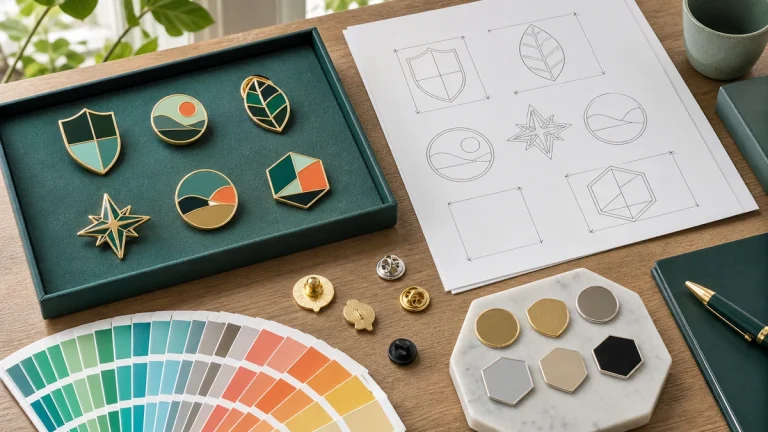
The process begins with a logo, sketch, event concept or finished vector file. Production artwork shows the medal outline, size, thickness, raised and recessed areas, color zones, text, ribbon attachment and front or back details.
Small artwork details may need adjustment because metal lines and recessed spaces require enough width to form cleanly. Text also needs to remain readable at the chosen size. A proof should clearly distinguish raised metal, recessed metal, enamel and printed areas.
When planning custom medals, send the intended use and deadline along with the artwork. A race medal, commemorative medallion and martial arts award may need different dimensions, relief depth and ribbon systems.
Step 2: Choose Die Casting or Die Striking
Die-cast medals
Die casting is useful for complex outlines, cutouts and deeper three-dimensional relief. Molten metal is introduced into a mold that defines the shape and surface details. After cooling, the casting is removed and prepared for trimming and polishing.
Die-struck medals
Die striking uses pressure to stamp the design into metal. It is suitable for many traditional medallions and flatter relief styles. The right choice depends on the design, material, thickness and desired surface.
Neither process is automatically better for every order. The supplier should select the method that reproduces the approved design consistently and fits the required quantity.
Step 3: Make and Test the Tooling
Once artwork is approved, the design data is used to prepare a production die or mold. Tooling defines the outline, relief and many of the details that will appear in every piece. Errors at this stage can repeat throughout the order, which is why the proof must be checked carefully before tooling begins.
For complex 3D artwork, the sculpted transitions should look natural from several viewing angles. Deep recessed areas, thin protrusions and narrow cutouts need enough structural support to survive production and daily handling.
Step 4: Form, Trim and Clean the Medal
After casting or striking, the unfinished piece may have excess material around the edge. Trimming removes this material, while grinding and deburring smooth sharp points and prepare the medal for later finishing.
Holes, ribbon loops and cutouts are checked at this stage. If the order uses a separate loop or attachment, it must be positioned so the finished medal hangs correctly.
Step 5: Polish and Prepare the Surface
Polishing improves the appearance of raised metal and creates a more even base for plating. Different areas may receive different levels of polishing depending on whether the design uses bright metal, matte texture, sandblasting or antique effects.
Surface preparation matters because plating will not hide major defects. Scratches, pits and rough edges should be corrected before the finish is applied.
Step 6: Apply Plating and Special Finishes
Common finishes include bright gold, silver, copper, black nickel and antique variations. Antique finishes use darker recessed areas to emphasize relief and make the raised design easier to read. Dual plating and selective finishes can create contrast, but they require clear artwork and controlled processing.
| Finish | Visual effect | Typical use |
|---|---|---|
| Bright gold or silver | Clean reflective surface | Formal awards and premium events |
| Antique gold, silver or bronze | Dark recesses and stronger relief | Historical, commemorative and 3D designs |
| Black nickel | Modern dark metal appearance | Contemporary sports and brand events |
| Dual finish | Two metal tones in one design | High-contrast premium medallions |
Step 7: Add Enamel, Printing or Other Color
Color can be added with soft enamel, hard enamel, UV printing or other processes. Soft enamel leaves visible recessed color areas and raised metal lines. Printing is useful for gradients, small details and artwork that cannot be separated into solid enamel zones.
Color references should be confirmed before production. Screen colors can vary, so named color standards or physical references are more reliable than judging only from a monitor.
Step 8: Attach Ribbons and Packaging
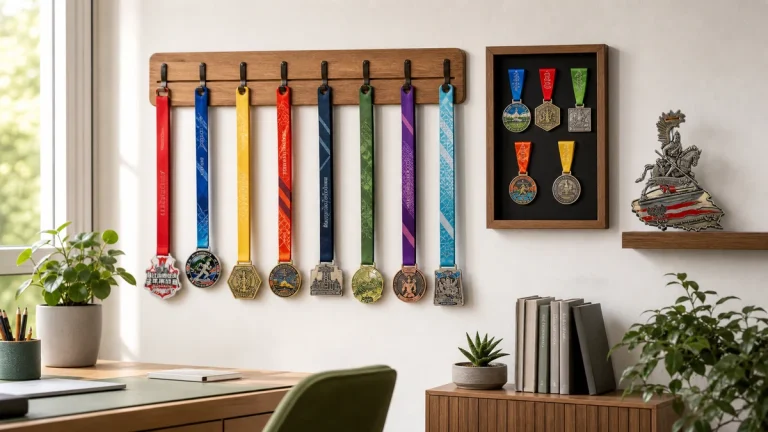
The ribbon width, color, print direction and attachment method should match the medal weight and event use. Heat-transfer printing can reproduce detailed full-color artwork, while woven or simpler printed ribbons may suit traditional designs.
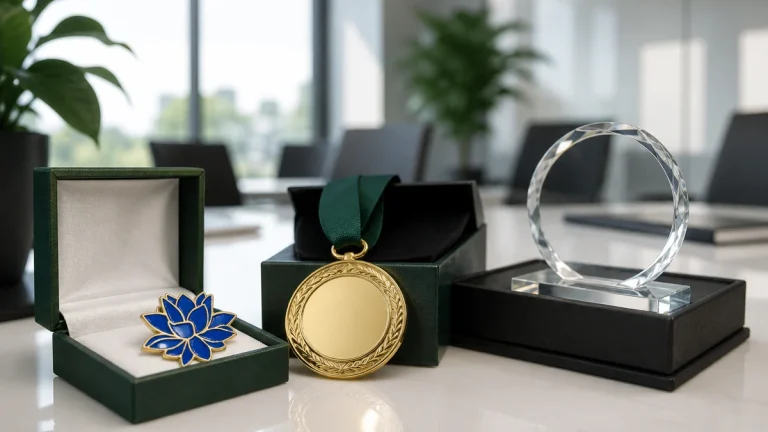
Packaging ranges from individual bags to presentation boxes. A bulk race order may prioritize efficient distribution, while a commemorative program may need protective boxes. Explore customized medals and medallions to compare how different designs use ribbons and presentation formats.
Step 9: Inspect the Finished Medals
Quality control should compare the production pieces with the approved proof and order specifications. Inspectors check dimensions, plating consistency, enamel fill, print alignment, scratches, sharp edges, attachment strength, ribbon orientation and packaging quantity.
Before approving a production schedule, use the custom medal inquiry form to share the quantity, delivery date, artwork and packaging requirements that should appear on the final inspection checklist.
- Correct size, shape and thickness
- Readable text and clean relief
- Consistent plating and color
- No sharp edges, major pits or surface damage
- Secure loop and correctly oriented ribbon
- Correct packaging and final count
What Buyers Should Confirm Before Production
Confirm the final artwork, actual dimensions, front and back views, material, plating, color references, ribbon, packaging and delivery requirements. If a physical sample is needed, discuss that before full production because it adds another approval stage.
Complex details should be prioritized. If the budget or size cannot support every effect, keep the elements that communicate the event most clearly. The Difway Awards team can review artwork and recommend a practical production route.
Conclusion
Metal medal manufacturing is a connected sequence. Clear artwork supports accurate tooling; accurate tooling supports clean casting or striking; careful surface preparation supports consistent plating and color. Ribbon assembly, packaging and final inspection complete the order. Understanding these stages helps buyers approve proofs confidently and identify the specifications that matter most for their event.
Frequently Asked Questions
What metal is commonly used for custom medals?
Zinc alloy is common for detailed die-cast medals, while other metals may be used for different processes and design requirements. The supplier should match the material to the artwork and finish.
What is the difference between die-cast and die-struck medals?
Die casting forms molten metal in a mold and works well for complex shapes and deep relief. Die striking presses a design into metal and suits many traditional medal styles.
Can metal medals include full-color artwork?
Yes. Enamel is suitable for separated solid colors, while printing can reproduce gradients, photographs and fine multicolor details.
Why is a production proof important?
The proof defines the shape, size, relief, text, colors and attachment before tooling and mass production. It is the main reference for approval and quality checks.