Why the Right Enamel Pin Back Matters
The best enamel pin backs depend on where the pin will be worn, how often the item moves and how costly the pin would be to replace. A clutch that works well on a display board may not be the safest choice for a backpack that is handled every day. Fabric thickness, post length, pin weight and the number of posts also affect security.
Quick answer: locking pin backs are usually the most secure choice for backpacks, workwear and valuable pins. Rubber clutches are comfortable and easy to use for light pins. Butterfly clutches are compact and economical for general distribution. Two posts are helpful on wide or top-heavy designs because they reduce rotation as well as loss.
Attachment choice should be made while the pin is being engineered, not after production. When comparing custom lapel pin options, tell the supplier whether the pin will be used on a jacket, bag, cap, uniform, lanyard or retail backing card.
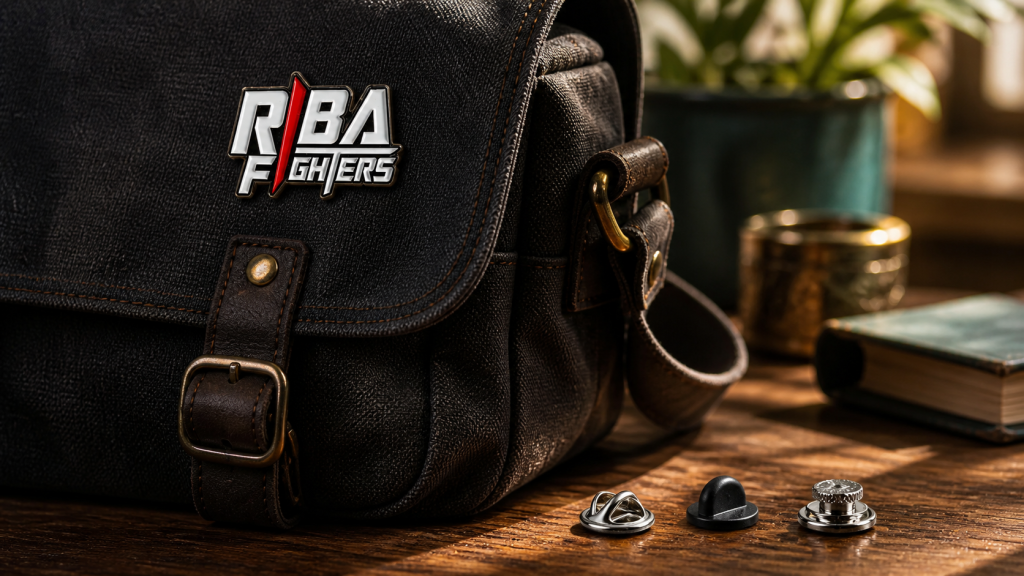
Rubber, Butterfly and Locking Pin Backs Compared
| Backing type | Best use | Main advantage | Tradeoff |
|---|---|---|---|
| Rubber clutch | Light pins, shirts and short events | Comfortable, colorful and easy to remove | Can loosen after repeated movement |
| Butterfly clutch | General giveaways and collections | Compact, familiar and economical | Springs can wear and the metal may press against skin |
| Locking clutch | Bags, jackets, uniforms and valuable pins | Strong resistance to accidental release | Costs more and requires deliberate removal |
| Deluxe locking back | Premium pins and frequent wear | Large grip area and reliable hold | More visible behind thin fabric |
| Screw back | Permanent or high-security placement | Very secure when installed correctly | Slower to attach and unsuitable for quick changes |
| Magnetic back | Delicate garments and temporary display | No puncture hole in the fabric | Not ideal for active movement or thick materials |
No clutch is completely loss-proof. A locking mechanism improves security, but the post still needs a sound solder joint and enough usable length to pass through the material. Thick bag straps may require a different position or attachment plan than a cotton shirt.
Why Enamel Pins Fall Off
The clutch is not fully seated
A clutch should slide straight onto the post until it reaches its intended stop. If fabric is bunched around the post, the back may appear attached while only gripping the tip. Flatten the fabric and check the connection from both sides.
Movement works the back loose
Backpacks, sleeves and outerwear rub against seats, straps and other objects. Repeated side pressure can gradually release a basic clutch. This is the strongest reason to use a locking back for active wear.
The pin is too large for one post
A wide pin with one centered post can rotate. Rotation pulls on the clutch and damages the fabric around the hole. Two posts placed far enough apart stabilize the design. During production, post placement should avoid thin edges and balance the pin’s center of mass.
The clutch or post is worn
Butterfly springs lose tension, rubber can stretch, and a post may bend after repeated changes. Replace a back that slides on with almost no resistance. Do not force a damaged clutch onto a bent post because that can weaken the solder joint.
Best Pin Back for Each Application
- Backpacks and travel bags: use a locking back, preferably with two posts on larger designs.
- Uniforms and staff apparel: choose a low-profile locking or deluxe clutch and test comfort against the body.
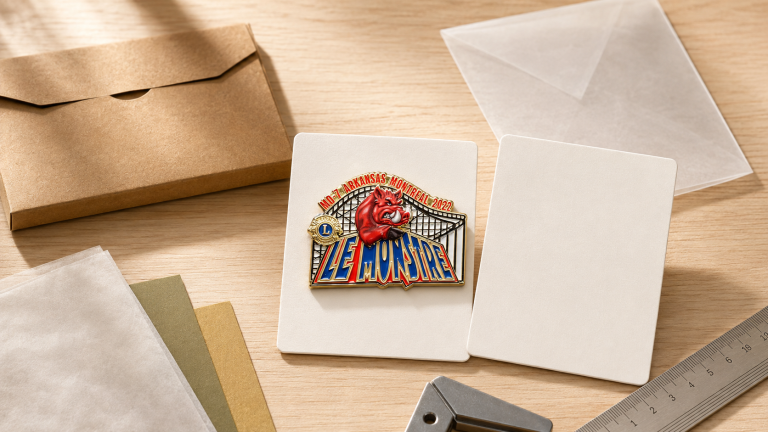
- Retail pins on backing cards: rubber or butterfly clutches are easy for customers to understand; offer a locking upgrade for premium products.
- Event giveaways: a butterfly clutch balances cost and familiarity for high-volume distribution.
- Children’s programs: consider a covered rubber clutch and adult supervision, or a magnetic attachment where appropriate.
- Display boards: basic rubber backs are often sufficient because the pin is not exposed to daily movement.
The finish of the pin is a separate choice. Both soft enamel pins and hard enamel pins can use secure locking hardware. Select the pin process for the desired surface, then select the attachment for the use environment.
One Post or Two Posts?
One post is usually suitable for a small, balanced pin. Two posts are better for long horizontal shapes, tall asymmetric designs and pins that must stay aligned. A second post does not merely add another clutch; it prevents the twisting force that can loosen the first clutch.
Ask the supplier to show post locations on the production proof. Check that both posts can pass through the intended material and that the spacing works with a backing card. For a retail set, matching post spacing across several designs can simplify card preparation.
How to Install and Check a Pin Safely
- Choose a flat area where the pin will not be struck or folded.
- Push the post through without twisting it.
- Support the front of the pin while pressing the clutch straight onto the post.
- For a locking back, follow the release mechanism rather than pulling with force.
- Gently test the front from several directions.
- Recheck frequently worn pins after travel, washing or heavy use.
Remove pins before machine washing. Water, detergent and tumbling can damage the finish, bend posts and release clutches. Store unworn pieces on a board or card; the guide to displaying enamel pins covers practical storage options.
Attachment Checklist for a Custom Order
Send the pin dimensions, estimated weight, intended fabric, number of posts, preferred clutch, packaging and quantity with the inquiry. If the order is still being tested, review the custom enamel pin minimum order guide before deciding how many attachment upgrades to include.
- Confirm post material, length and location on the proof.
- Request two posts for a wide or rotation-sensitive design.
- Match the clutch to the most demanding real use.
- Order spare backs for events, retail replacement and long-term programs.
- Test the completed sample on the actual garment or bag material.
- Keep small backs away from young children.
Browse the wider custom product collection for attachment and presentation ideas, or send the artwork and use case through the quote request form for a production recommendation.
Frequently Asked Questions
Are locking pin backs really safer?
They resist accidental release better than standard clutches when used on a straight, correctly sized post. They are especially useful on bags, jackets and valuable pins, although the pin should still be checked periodically.
Can I replace butterfly backs with rubber backs?
Usually yes if the post diameter is compatible. Test the replacement before regular wear. A back that is too loose should not be used even if it fits visually.
Do two posts stop a pin from falling off?
Two posts reduce rotation and provide a second connection, but both backs must be fully attached. For active use, pair two posts with locking clutches.
Which pin back is most comfortable?
Rubber backs feel soft and have no exposed metal edges, making them comfortable for many garments. Comfort also depends on placement and whether the back presses against the body.
How many spare backs should I order?
For events or retail programs, keep a practical reserve for packing errors, customer replacement and long-term use. The exact number depends on quantity and how often the pins will be moved.