Why Custom Enamel Pin Minimum Orders Exist
A custom enamel pin minimum order is usually not an arbitrary sales rule. Every new design requires production artwork, a mold or die, color preparation, plating setup, pin attachments, inspection and packing. Many of these tasks cost nearly the same whether a factory makes 10 pins or 100 pins. A minimum quantity spreads those fixed steps across enough pieces to keep the unit cost practical.
That does not mean every buyer needs a large order. A club testing a new logo, a small event, an artist checking demand and a company approving a uniform pin all have different needs. The right approach is to separate prototype needs from production needs and compare the complete order cost rather than looking only at the quantity printed beside a unit price.
Quick answer: A small enamel pin order is possible in many cases, but the cost per pin rises because tooling, setup and proofing are divided across fewer pieces. Ask what is included, whether the mold can be reused and how the price changes at the next quantity level.
What Is Included Before the First Pin Is Made?
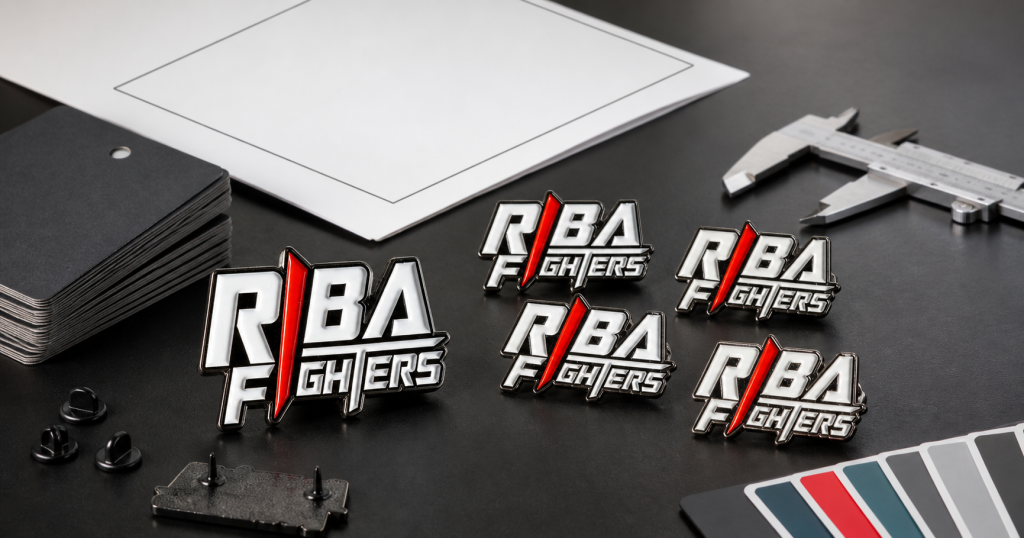
Once the design is approved, the supplier converts the artwork into a production-ready layout. This layout defines the outline, metal borders, enamel areas, size, plating, attachment and any cutouts. A custom mold or die is then prepared for the design. Color preparation, polishing and plating also require controlled production steps before packing begins.
| Cost area | Mostly fixed or variable? | What the buyer should confirm |
|---|---|---|
| Artwork engineering | Mostly fixed | Proof revisions and final dimensions |
| Mold or die | Fixed for the design | One-sided or two-sided tooling and reuse terms |
| Plating and color setup | Mixed | Finish, color count and matching method |
| Pin production | Variable | Quantity, size, thickness and process |
| Attachments and packing | Variable | Clutch type, backing card, pouch or box |
| Freight | Variable | Destination, shipping method and delivery date |
Because the fixed work is unavoidable, a one-piece order can cost much more than dividing the same setup across a short production run. Buyers comparing custom lapel pin options should therefore request a total quotation at two or three quantity levels.
Prototype, Pre-Production Sample or Small Batch?
These terms solve different problems. A digital proof checks layout and manufacturing logic, but it does not show the physical weight, plating tone or enamel surface. A pre-production sample uses the intended process and is useful when color, relief or attachment position must be confirmed before a larger order. A small batch is finished inventory that can be sold, distributed or tested with real users.
Choose a prototype when physical approval is essential
A physical sample makes sense for uniform programs, licensed artwork, premium retail pins or a design with unusual cutouts and relief. Confirm whether the sample charge is separate, whether it includes tooling and whether changes after sampling require new tooling.
Choose a small batch when demand is uncertain
A short production run can test real demand while producing usable stock. Calculate the landed cost per usable pin, not just the factory unit price. Include sample charges, backing cards, freight and expected spare pieces.
Soft Enamel and Hard Enamel at Low Quantities
Both processes can work for short runs, but the design and desired finish should guide the choice. Soft enamel pins have recessed color areas separated by raised metal lines. They provide noticeable texture and suit bold designs with clear color zones. Hard enamel pins are polished to a smoother, more level surface and often suit refined brand marks or premium presentation.
The lower-cost option is not always the same for every design. Pin size, number of colors, plating, cutouts, printing and packaging can change the result. Ask the supplier to quote the same artwork in the most suitable process rather than removing necessary details simply to force a specific method.
Practical Ways to Reduce Small-Order Cost
- Use one mold for the full batch. Keep the outline and metal structure the same. Color variations may be possible, but each version can still require separate setup.
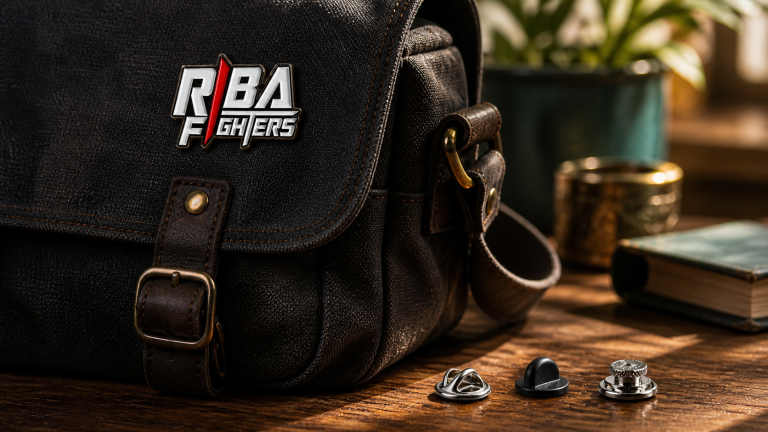
- Choose a standard attachment. A common butterfly or rubber clutch is simpler than a custom attachment system.
- Keep the first package simple. Individual bags or a standard backing card can be more practical than a custom rigid box.
- Avoid unnecessary micro-detail. Strong shapes and readable metal lines produce a cleaner pin and reduce proof revisions.
- Compare quantity breaks. The total for a slightly larger order may deliver a much lower landed unit cost and useful replacement stock.
- Plan reorders before production. Keep the approved proof, color references and mold information together.
If a fully molded enamel pin is not economical for a one-time test, consider whether a printed promotional format or an existing stock product can validate the idea first. The wider custom award product collection can help buyers compare formats.
How to Compare Two Enamel Pin Quotes
A quote with a low unit price can become expensive after tooling, setup, packaging and freight are added. Another quote may include those items in the unit price. Put both quotations into the same structure before deciding.
- Confirm the finished size, thickness and metal finish are identical.
- Check whether the mold, artwork and proof are included.
- Compare the same attachment and packaging.
- Ask whether freight, tax or import charges are included.
- Confirm the acceptable defect policy and replacement process.
- Ask how long the mold is retained and what a reorder will cost.
Quality also matters at low quantities. Ask for close-up images of metal borders, filled corners, attachment soldering and back-stamp detail. A pin that cannot be used should not be counted as a bargain.
Information to Send with a Small-Batch Inquiry
A complete inquiry reduces back-and-forth and helps the supplier give a realistic recommendation. Send the artwork or sketch, intended size, estimated quantity, preferred enamel type, plating color, attachment, packaging, delivery country and required date. Mention whether the order is a test run or the first stage of a repeat program.
Use the Difway Awards inquiry form to request two or three quantity options. This makes it easier to see where the fixed setup cost is absorbed and whether a slightly larger batch gives better value.
Frequently Asked Questions
Can I order only one custom enamel pin?
A physical one-piece sample may be possible, but it normally carries the design, tooling and setup cost. If the goal is only to check layout, begin with a detailed digital proof. If the goal is demand testing, a small usable batch may offer better value.
Why does the price per pin fall at higher quantities?
Tooling, artwork and setup are distributed across more pieces, while production and packing become more efficient. The metal and enamel are only part of the total cost.
Can the mold be used again?
Often yes, provided the design does not change and the supplier retains usable tooling. Confirm mold retention, reorder setup and ownership terms before approving the first order.
Can I split a minimum order into several colors?
Sometimes, if the metal outline and mold remain identical. Each color version may still need separate preparation, so ask whether a per-version minimum or color-change charge applies.
What quantity should a first-time buyer choose?
Choose a quantity that covers confirmed recipients or realistic early sales plus a small reserve. Compare at least two quantity levels, then select the batch with a sensible landed unit cost and a clear use for every extra piece.