Quick Answer
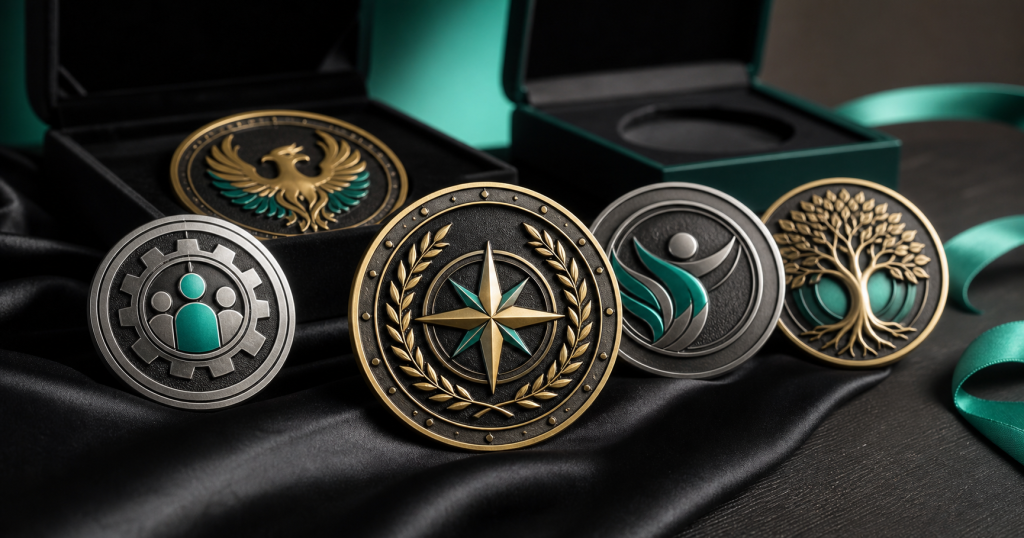
A strong custom challenge coin design should include one clear main symbol, a readable edge layout, suitable plating and a finish that matches the purpose of the coin. Recognition coins, club coins, corporate coins and event coins can all use different design choices, but the best results come from keeping the message simple and the artwork balanced.
For buyers planning a coin project, start with custom challenge coins and decide whether the coin should feel formal, collectible, promotional or commemorative.
Key Takeaways
- Use one main emblem or story element.
- Keep edge text short and readable.
- Choose plating based on the tone of the program.
- Use enamel color only where it improves clarity.
- Plan packaging when the coin is used as a formal gift.
What Buyers Need to Know
Challenge coins are small, so the design must work at close range. A coin can carry a logo, date, motto, team symbol, milestone, map or achievement mark, but it should not try to carry too many messages at once. If the front has a detailed emblem, keep the back cleaner.
For corporate programs, the coin often needs a premium and restrained look. For clubs or event groups, the design can be more colorful and expressive.
Coin Design Options
| Design Choice | Best Use | Practical Note |
|---|---|---|
| Antique plating | Formal recognition | Highlights raised and recessed details. |
| Soft enamel color | Team or brand identity | Use colors where they improve recognition. |
| Dual-sided design | Milestones and programs | Use one side for identity and one side for message. |
| Presentation box | VIP gifts and ceremonies | Improves perceived value and storage. |
Size, Space and Layout Planning
Common coins use a compact round shape, but custom outlines are possible when the shape supports the story. Leave enough space around the emblem and keep border text short. If the coin needs a long message, place it on the back in a clean layout.
Recognition programs sometimes combine coins with custom badges or custom lapel pins to create a complete staff or member set.
Material and Maintenance Comparison
Zinc alloy and brass-style finishes are common for custom coins because they support relief, plating and color. Antique gold and antique silver are useful when the design needs depth. Shiny finishes can look bright but may show reflections more strongly in photos.
If the project is part of a larger award program, you can pair coins with custom medals or custom accessories.
Common Buying Mistakes
- Putting too much text around the border.
- Using a complex logo without simplifying the artwork.
- Choosing colors that reduce contrast.
- Forgetting to design the back side.
- Skipping packaging for formal presentation orders.
Product Selection Framework
Choose antique plating for classic recognition, bright enamel for club identity, dual-sided layout for storytelling and a presentation box for gift use. If the coin is part of a recurring program, keep the main style consistent and update the year, level or milestone each time.
B2B Sourcing Checklist
- Prepare logo files and any text that must appear on the coin.
- Choose front-only or double-sided artwork.
- Confirm plating, enamel colors and edge style.
- Decide whether individual packaging is needed.
- Approve digital proof before mass production.
Related Product Recommendations
For recognition programs, buyers often combine coins with custom keychains, custom belt buckles and custom award medals.
Conclusion
A custom challenge coin works best when it has a clear identity, readable layout and finish that fits the recognition purpose. Keep the message focused and let the metal detail do the work.
To plan a coin project, send your design files and quantity through contact us.
FAQ
What should be included on a custom challenge coin?
Most coins include a logo or emblem, year, program name, motto or recognition message.
Can challenge coins be made with color?
Yes. Enamel color can be added to selected areas when it helps identify the team, brand or event.
Are presentation boxes necessary?
They are not always necessary, but they are useful for formal gifts, VIP recognition and collectible coin programs.